Neighborhoods
South Austin
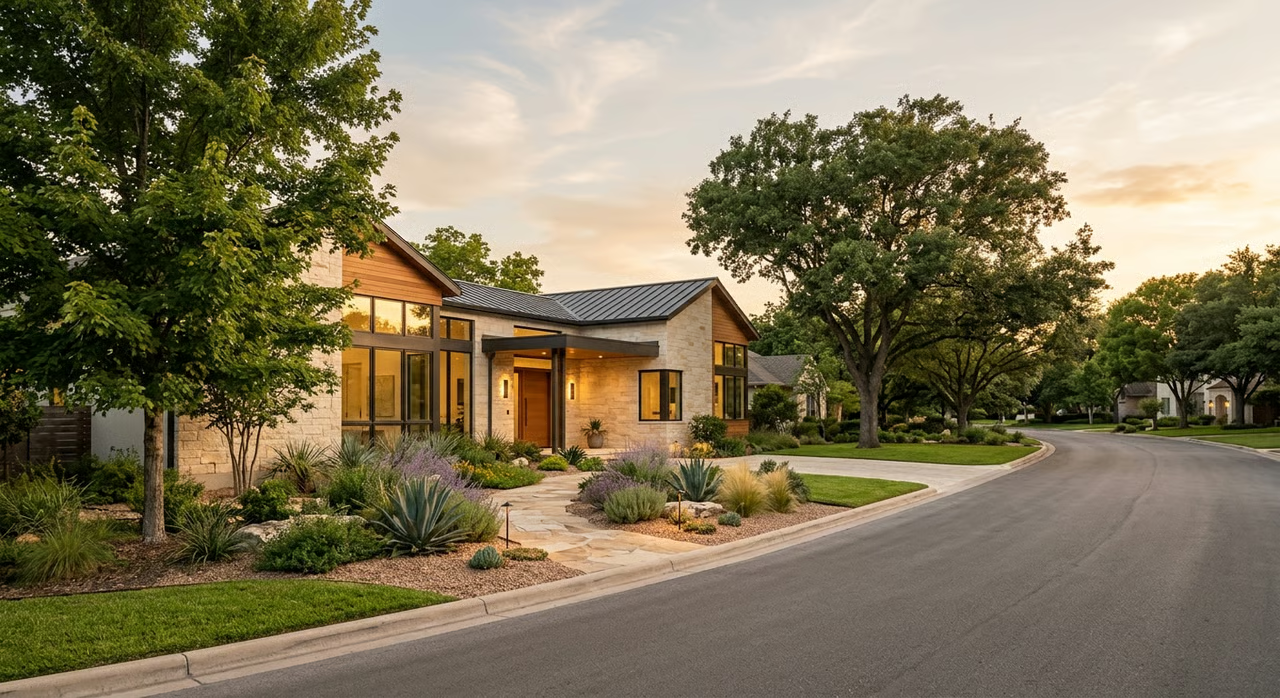
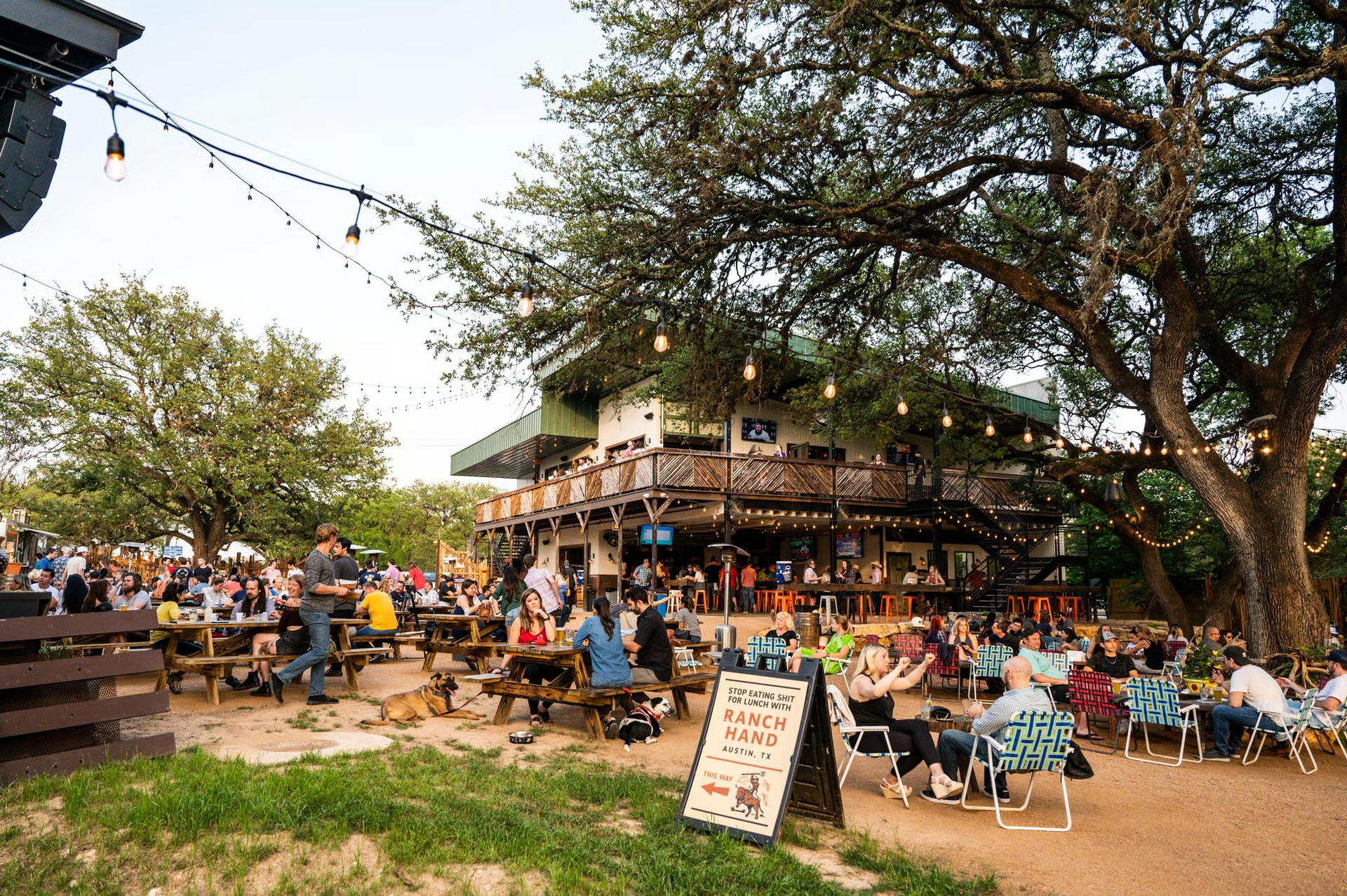
South Austin doesn’t try to be anything. It already is. Barbecue joints next to yoga studios, dive bars next to craft cocktail spots, bungalows that sold for $180k in 2003 sitting next to new builds that cleared $1.2M. There’s no single word for it, and the people who live here would probably reject one anyway.
The zip codes vary (78704, 78745, 78748) but the feeling is consistent: walkable blocks, massive trees, independent businesses, and neighbors who actually know each other’s names. South Congress, South Lamar, and Oltorf run through it like veins. Keep Austin Weird wasn’t a slogan here. It was a self-defense reflex, and it worked.
If you’re buying in South Austin, you’re not buying a floor plan. You’re buying in. The neighborhood is part of the deal, and honestly, for most people who end up here, it’s the whole point.
Central Austin
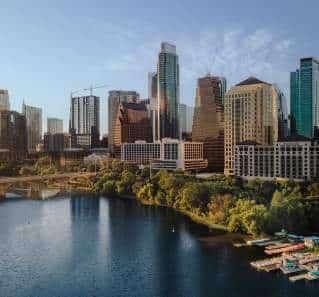
Central Austin is where the city’s original story still lives. The Capitol, UT, Hyde Park, Clarksville, Brentwood, these aren’t just neighborhoods, they’re the neighborhoods. The ones people meant when Austin was still a city you could afford to move to on a teacher’s salary, back when the argument was whether to go to Trudy’s or Kerbey Lane.
It’s denser than it used to be, and more expensive than almost anywhere else in the metro. But the bones are real. The lots are big, the trees are older than the houses in some cases, and the walkability score actually means something here. You can get to a coffee shop, a park, a bar, and a grocery store without starting your car. In Austin, that’s not a given.
Buyers come to Central for the location and stay for the permanence. These are established streets with established character. What you’re paying for isn’t just proximity to downtown, it’s the version of Austin that people were trying to preserve when everything started changing.
North Austin
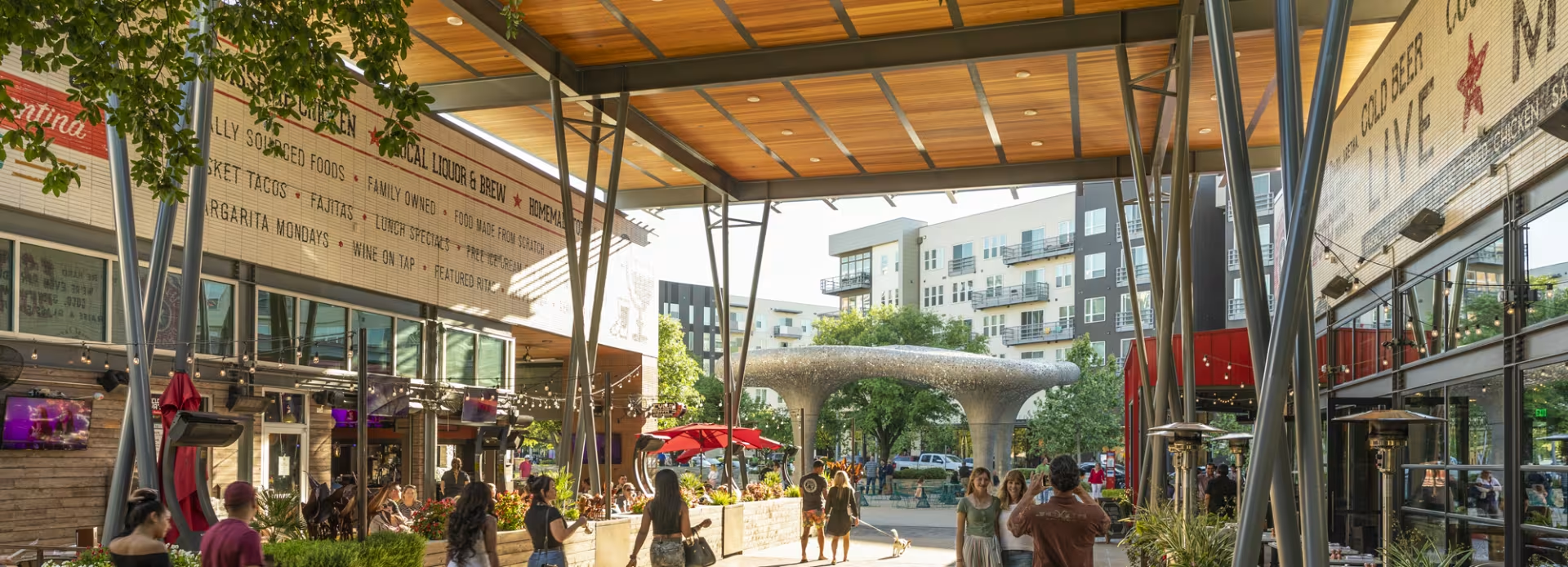
North Austin is where the city actually lives. Not the Austin on postcards, but the one with the good Thai food, the packed H-E-B on a Sunday morning, and the neighbor who’s been on the same street for twenty years. It’s less curated than Central, less self-conscious than South, and honestly, more functional than either.
The geography is wide. North Austin stretches from the Domain down through Crestview, Brentwood, and North Loop, out toward Pflugerville and Round Rock depending on who you ask. Tech campuses, walkable bungalow streets, newer master-planned communities, and everything in between. There’s no single profile for a North Austin buyer because there’s no single version of North Austin.
What ties it together is value. Not cheap, not anymore, but more square footage, more lot, more house for the money than you’ll find closer in. And for buyers coming from out of state, particularly from California or the northeast, North Austin often reads as the most familiar. Good schools, easy highway access, newer construction, retail you recognize. It lands as comfortable in a way that’s easy to underestimate.
The people who end up loving North Austin are usually the ones who stopped caring about being close to the action and started caring about the life they’re actually living day to day.
Snapshots
A glimpse into Austin's vibrant real estate market today.